
If you are thinking about selling gold, one of the first questions that comes up is simple but important. What kind of gold actually pays the most? The answer depends on several factors, including purity, form, market demand, and how easily the gold can be valued and resold.
Many people assume all gold is worth the same, but that is rarely the case. Understanding which types of gold typically bring higher payouts helps you decide what to sell now and what to evaluate more carefully.
This guide breaks down how gold jewelry, coins, and bullion compare so you know what to expect before walking into a gold buyer.
What Determines Gold Value and Payout
Before comparing types of gold, it helps to understand what affects payout overall. Gold buyers evaluate items based on a few core factors.
Purity refers to how much actual gold is present. This is usually measured in karats for jewelry or fineness for coins and bullion.
Weight matters because gold is priced by weight using current market prices.
Form affects how easily the gold can be resold or refined. Some forms of gold require more processing than others.
Market demand also plays a role. Certain gold items are easier to sell quickly, which can lead to stronger offers.
With these factors in mind, let’s look at how different types of gold stack up.
Gold Bullion Often Brings the Highest Payout
Gold bullion typically brings the highest payout per ounce because it is the most straightforward form of gold.
Bullion includes gold bars and certain gold rounds made primarily for investment. These items are valued almost entirely on their gold content and current market price.
Why bullion pays more:
- High purity, often .999 fine gold
- Minimal processing required
- Easy to verify and resell
- Strong demand among investors
Because bullion does not require stone removal, repair, or melting of mixed metals, buyers can offer closer to spot price. If your goal is maximizing payout per ounce, bullion usually sits at the top.
Gold Coins Can Bring Strong Payouts Depending on Type
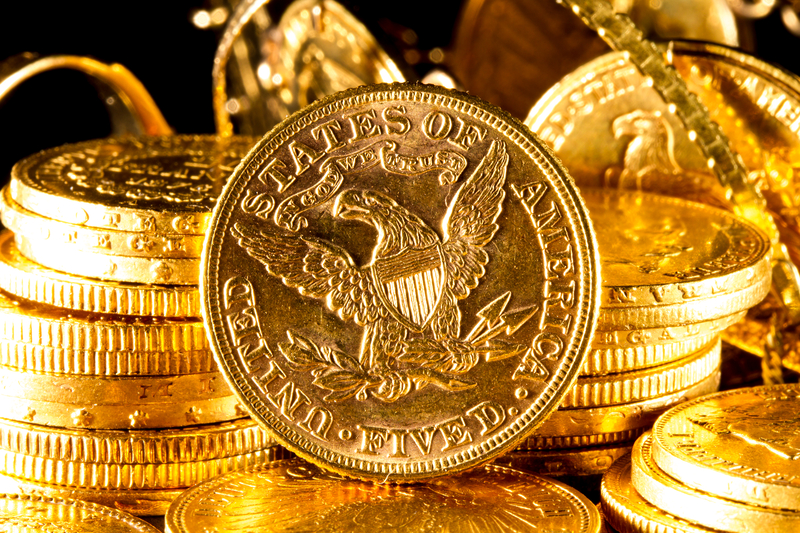
Gold coins can also bring high payouts, but the value depends on whether the coin is considered bullion or collectible.
Common bullion coins like American Gold Eagles, Canadian Maple Leafs, and South African Krugerrands are valued primarily for gold content. These coins often pay close to spot price, similar to gold bars.
Collectible or numismatic coins are different. Their value depends on rarity, condition, age, and demand from collectors. Some rare coins sell for far more than their gold content alone, but many others trade closer to melt value.
What affects coin payouts:
- Gold content and purity
- Whether the coin is bullion or collectible
- Condition and authenticity
- Market demand for that specific coin
Coins that are damaged or heavily worn may lose collectible value but still retain strong gold value.
High Karat Gold Jewelry Can Pay Well
Gold jewelry payouts vary widely, but higher karat pieces tend to bring stronger returns.
Jewelry is typically made from gold mixed with other metals for durability. The higher the karat, the more gold the piece contains.
Common jewelry purities include:
- 10K gold, which contains 41.7 percent gold
- 14K gold, which contains 58.3 percent gold
- 18K gold, which contains 75 percent gold
- 22K gold, which contains over 90 percent gold
Higher karat jewelry generally brings higher payouts per gram because there is more actual gold present. Heavy pieces like chains, bracelets, and solid rings often surprise sellers with their value.
However, jewelry payouts are usually lower than bullion because refining mixed metals requires additional processing.
Designer and Branded Jewelry Does Not Always Mean Higher Payout
Many sellers expect brand names to increase payout, but that is not always the case.
Luxury jewelry brands may carry resale value if pieces are in excellent condition and still in demand. However, most gold buyers focus on metal content rather than brand recognition.
If the piece is damaged, missing stones, or outdated, it is often valued as gold scrap regardless of branding. In these cases, purity and weight matter far more than the name stamped inside.
Scrap Gold Can Still Add Up Quickly
Scrap gold includes broken jewelry, single earrings, bent rings, and damaged pieces. While scrap gold usually pays less per gram than bullion, it can still result in a strong total payout when combined.
Scrap gold value depends on:
- Total weight of gold content
- Purity of each piece
- Current market price
Many people underestimate how much scrap gold they own. Small items add up quickly when evaluated together.
Dental Gold Is Often Overlooked but Valuable
Dental gold is one of the least understood types of gold, yet it often brings decent payouts.
Crowns, bridges, and dental components frequently contain gold alloys. While dental gold is not pure, it still contains recoverable precious metal.
Dental gold payouts are usually lower per gram than bullion, but sellers are often surprised by its value since it would otherwise sit unused.
What Typically Pays Less Than Expected
Not all gold items bring high payouts, even if they look impressive.
Gold plated items contain only a thin layer of gold and usually have little resale value.
Very low karat gold contains less gold overall, which reduces payout.
Items with extensive non gold components may weigh more but contain less actual gold than expected.
Testing helps clarify these differences quickly and accurately.
How to Maximize Your Gold Payout
If your goal is to get the highest payout possible, a few steps can help.
Separate your gold by type. Keeping bullion, coins, and jewelry grouped makes evaluation clearer.
Know approximate karat markings but avoid cleaning or altering items before evaluation.
Sell when market prices are favorable if timing allows.
Work with an in person buyer who explains pricing clearly and bases offers on live market data.
Choosing the Right Time and Method to Sell
Bullion and common gold coins often make sense to sell when gold prices are strong.
Jewelry and scrap gold are less sensitive to timing, since value is tied more to weight and purity than collector demand.
If you are unsure what you have, starting with an evaluation gives clarity without commitment.
Understanding What You Own Is the First Step
The type of gold you own plays a major role in how much you can expect to receive. Bullion and high purity coins generally bring the highest payouts, followed by high karat jewelry and scrap gold.
Many sellers discover they have more value than expected once items are tested and weighed properly. Knowing which types of gold pay the most helps you approach the process with confidence and realistic expectations.
If you are considering selling gold, understanding these differences puts you in control before you ever accept an offer.